


Dallas Woman Pays $10 a Week for Medicine From Canada. She Could Soon Face $1,100.
A Dallas woman featured in a September 22 Wall Street Journal (WSJ) article, “Americans Are About to Lose Access to Cheap Gray-Market Prescriptions From Canada,” relies on a Canadian online pharmacy for affordable Xifaxan. New U.S. customs requirements taking effect October 22 could jeopardize not only her access but that of millions of other Americans who import lower-cost medications.
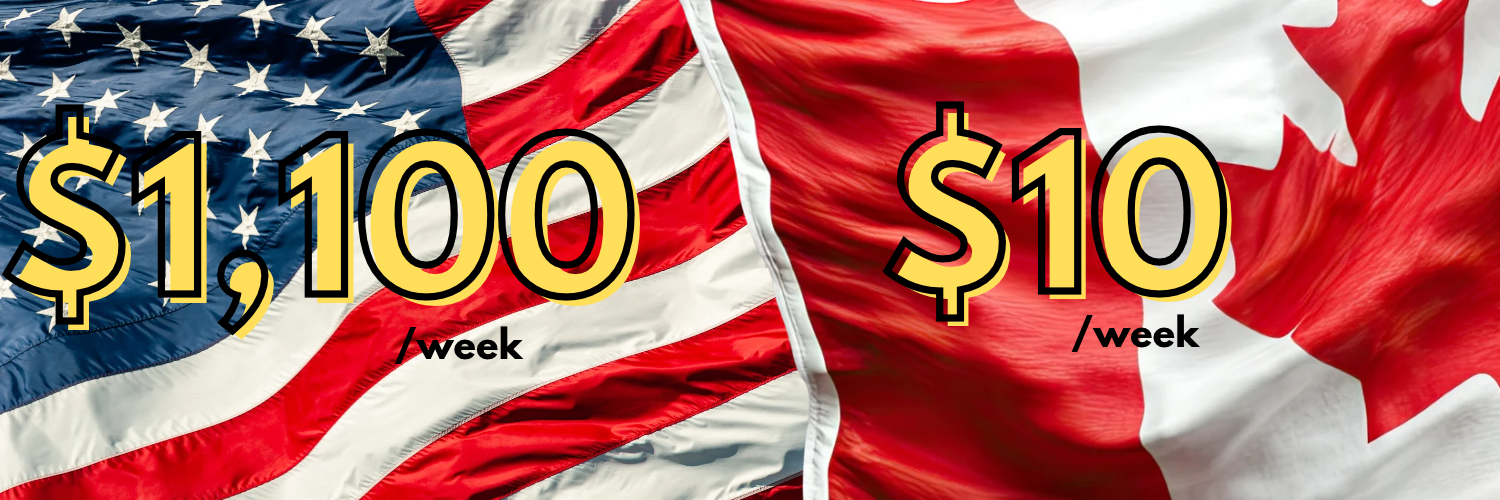
For the past two years, Diamantina Cavazos has paid around $10 a week for Xifaxan through a Canadian online pharmacy to treat her painful gut condition – a steep difference from the $1,100 a week she could face if Customs and the U.S. FDA opt not to preserve decades-long enforcement discretion that has allowed Americans this lifeline pathway to affordable medicine. To be clear, Cavazos is insured. Her U.S. health insurance just won’t cover the medication that actually helps her.
Congress recognizes the importance of personal prescription importation
WSJ reports that the government is in fact just “trying to crack down on illegal contraband” entering the country through international mail.
But Congress has expressly recognized the importance of FDA enforcement discretion in personal prescription drug importation. Under 21 U.S.C. § 384(j)(1), Congress declared that the Secretary of Health and Human Services should focus enforcement on imports that pose significant public health threats and exercise discretion when medicines are clearly intended for personal use and do not appear to present an unreasonable risk to the individual.
And that has been what many patients have relied on for the past 25 years: many have ordered their meds from abroad, often providing a legitimate prescription and ensuring they only import a 90-day supply or less.
Will a private company effectively determine which medicines reach patients?
According to the WSJ, an HHS spokesperson said the FDA will “continue to evaluate personal imports on a case-by-case basis.”
International pharmacies and the patients they serve remain uncertain about how that promise will work in practice, particularly given the involvement of Zonos, a private customs technology company. The WSJ reports that Zonos plays a substantial role in processing international mail shipments from Canada and other countries and could effectively determine which packages proceed through the customs process. Under the new process, WSJ suggests Zonos could screen prescription shipments against its interpretation of FDA's importation criteria before those packages ever reach the agency.
If private logistics providers screen prescription shipments against restrictive interpretations of FDA importation criteria before the packages reach FDA, patients could lose access to medications that might otherwise have been admitted under the agency's longstanding enforcement discretion. How will FDA ensure that its case-by-case discretion remains meaningful under the new customs process?
This is precisely why PharmacyChecker issued a statement urging the FDA to preserve personal prescription drug importation under the new CBP rule.
Patients are voicing their concerns
Patients like Ms. Cavazos, who rely on an international pharmacy because they cannot afford the U.S. price of their prescribed medicine, should speak with their care team about continuity of treatment and available alternatives. Patients should not ration medication, stop treatment, or substitute medications without consulting their prescribing clinician or healthcare team.
According to WSJ, the Campaign for Personal Prescription Importation (CPPI) has helped organize more than 28,000 letters from concerned patients to members of Congress as they seek answers about the October 22 deadline. Please contact your elected representatives through CPPI's advocacy page:
Easily send a letter to your reps
Read related stories and share your own
Here are related posts published on Ask PharmacyChecker:
We encourage you to contribute your thoughts on the importance of international pharmacies and access to affordable medicines. Please share your story so we can continue to amplify the lifeline personal prescription importation has provided for the last 25-plus years.